
Adapting to the Latest Trends in CRM Data Migration for Contractors
Understanding CRM Data Migration
In today's fast-paced digital landscape, contractors are increasingly relying on CRM systems to manage their customer relationships and streamline operations. However, as technology evolves, so do the tools and methods for CRM data migration. Staying ahead of these trends is crucial for contractors looking to maintain efficiency and competitiveness.

The Importance of Data Accuracy
One of the most significant aspects of CRM data migration is ensuring data accuracy. Contractors must focus on maintaining the integrity of customer information during the migration process. This involves cleansing data to eliminate duplicates, outdated entries, and inaccuracies. A robust data validation strategy can prevent costly errors and improve decision-making.
Data accuracy is not just about maintaining current records; it's about preparing for future growth. By aligning data migration with business goals, contractors can better leverage CRM insights for strategic planning and customer engagement.
Embracing Cloud-Based Solutions
Cloud-based CRM solutions have become the norm, providing flexibility and scalability that traditional on-premises systems cannot match. Contractors should consider migrating their CRM data to cloud platforms to take advantage of these benefits. Cloud solutions offer enhanced security, automatic updates, and the ability to access data from anywhere.
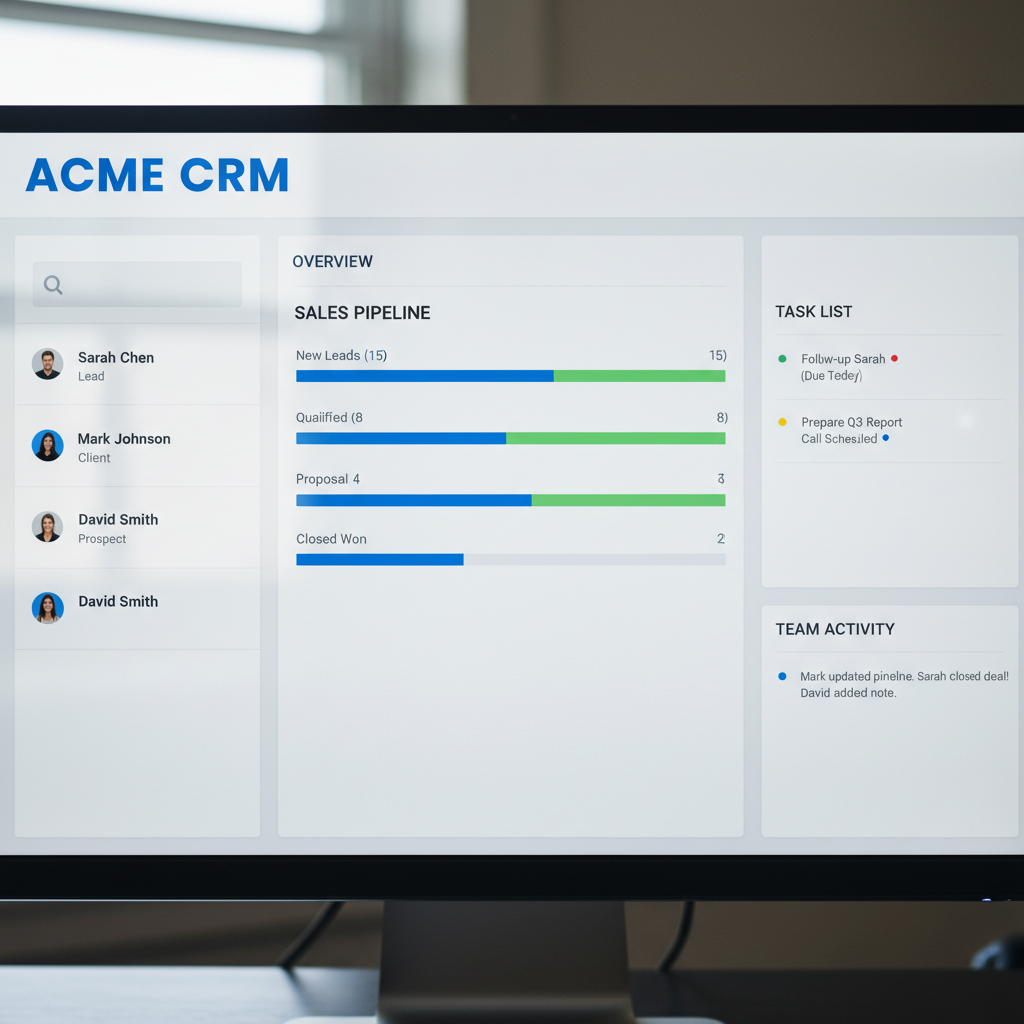
Moreover, cloud-based systems often come with advanced analytics tools that can help contractors gain deeper insights into customer behavior and market trends. This data-driven approach enables more targeted marketing and improved service delivery.
Automating the Migration Process
Automation is revolutionizing CRM data migration. By leveraging automated tools, contractors can reduce the time and effort required for data transfer while minimizing the risk of human error. These tools can handle complex data sets and ensure seamless integration with existing systems.
Contractors should look for CRM solutions that offer robust automation capabilities, such as automated data mapping and real-time synchronization. This approach not only simplifies the migration process but also enhances overall data management efficiency.

Ensuring Compliance and Security
Data security and compliance are paramount during CRM data migration. Contractors must adhere to industry regulations and standards to protect sensitive customer information. This involves implementing strong encryption protocols, access controls, and regular security audits.
Staying informed about the latest compliance requirements is essential. By prioritizing security, contractors can build trust with their clients and avoid potential legal issues associated with data breaches.
Training and Support
A successful CRM data migration requires more than just technology; it demands skilled personnel. Contractors should invest in training their teams to handle new CRM systems effectively. Providing ongoing support and fostering a culture of continuous learning can significantly enhance the adoption of new technologies.
Partnering with experienced CRM vendors can also provide valuable resources and guidance throughout the migration process. This collaboration ensures that contractors can navigate challenges and maximize the benefits of their CRM investments.

In conclusion, adapting to the latest trends in CRM data migration is essential for contractors aiming to stay competitive and efficient. By focusing on data accuracy, embracing cloud solutions, leveraging automation, ensuring compliance, and investing in training, contractors can successfully navigate the complexities of CRM data migration and drive business growth.