
Avoiding Downtime: The Importance of Accurate CRM Data Migration
Understanding CRM Data Migration
In today's fast-paced business environment, maintaining an efficient Customer Relationship Management (CRM) system is crucial. One of the most significant challenges businesses face is data migration when upgrading or switching CRM systems. Ensuring accurate data migration is essential to avoid downtime and ensure seamless operations.
Data migration involves transferring data from one system to another, and it’s vital to get it right. Errors in this process can lead to significant disruptions, affecting customer interactions and business operations.

The Risks of Inaccurate Data Migration
Inaccurate data migration can have several negative consequences. Here are some of the risks involved:
- Data Loss: Critical customer data might be lost during the transfer.
- Data Corruption: Incorrect mapping can lead to corrupted data entries.
- Operational Downtime: Extended downtime can disrupt business activities.
Understanding these risks highlights the importance of meticulous planning and execution during the migration process.
Steps to Ensure Accurate Data Migration
To avoid the pitfalls of data migration, companies should follow these essential steps:
- Thorough Planning: Outline a detailed migration plan, identifying key data and setting realistic timelines.
- Data Cleaning: Clean and organize data before migration to ensure accuracy.
- Testing: Conduct multiple test migrations to identify and resolve potential issues.
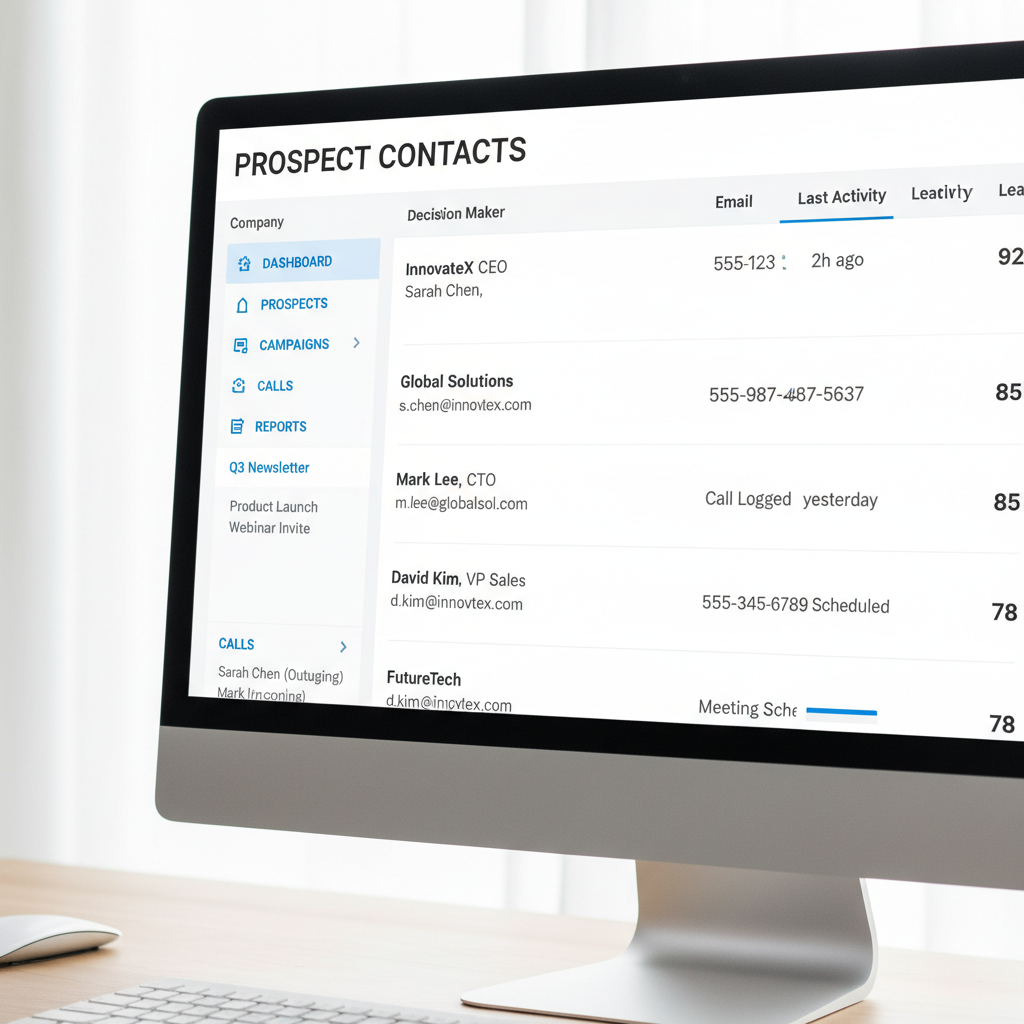
The Role of Technology in Data Migration
Modern technology plays a crucial role in facilitating accurate CRM data migration. Advanced tools and software can automate much of the process, reducing human error and increasing efficiency.
Investing in the right technology can significantly ease the migration process, providing real-time insights and ensuring data integrity throughout the transition.
Choosing the Right Partner
Partnering with experienced professionals can make a significant difference in the success of your data migration. Experts bring valuable insights and skills, helping to mitigate risks and ensure a smooth transition.

When selecting a partner, consider their track record, expertise, and ability to tailor solutions to your specific needs.
Conclusion
Avoiding downtime during CRM data migration is crucial for maintaining business continuity. By focusing on accurate data migration practices and leveraging the right technology and expertise, businesses can ensure a seamless transition, preserving data integrity and enhancing operational efficiency.
Remember, the key to successful data migration lies in careful planning, thorough testing, and choosing the right partners and tools for the job.