
Contractor's Guide to Choosing the Right CRM Platform
Understanding the Importance of CRM for Contractors
As a contractor, managing client relationships and project details can be challenging. A Customer Relationship Management (CRM) platform is an essential tool that helps streamline these processes, improving efficiency and customer satisfaction. Selecting the right CRM is crucial for your business's success.
Identifying Your Business Needs
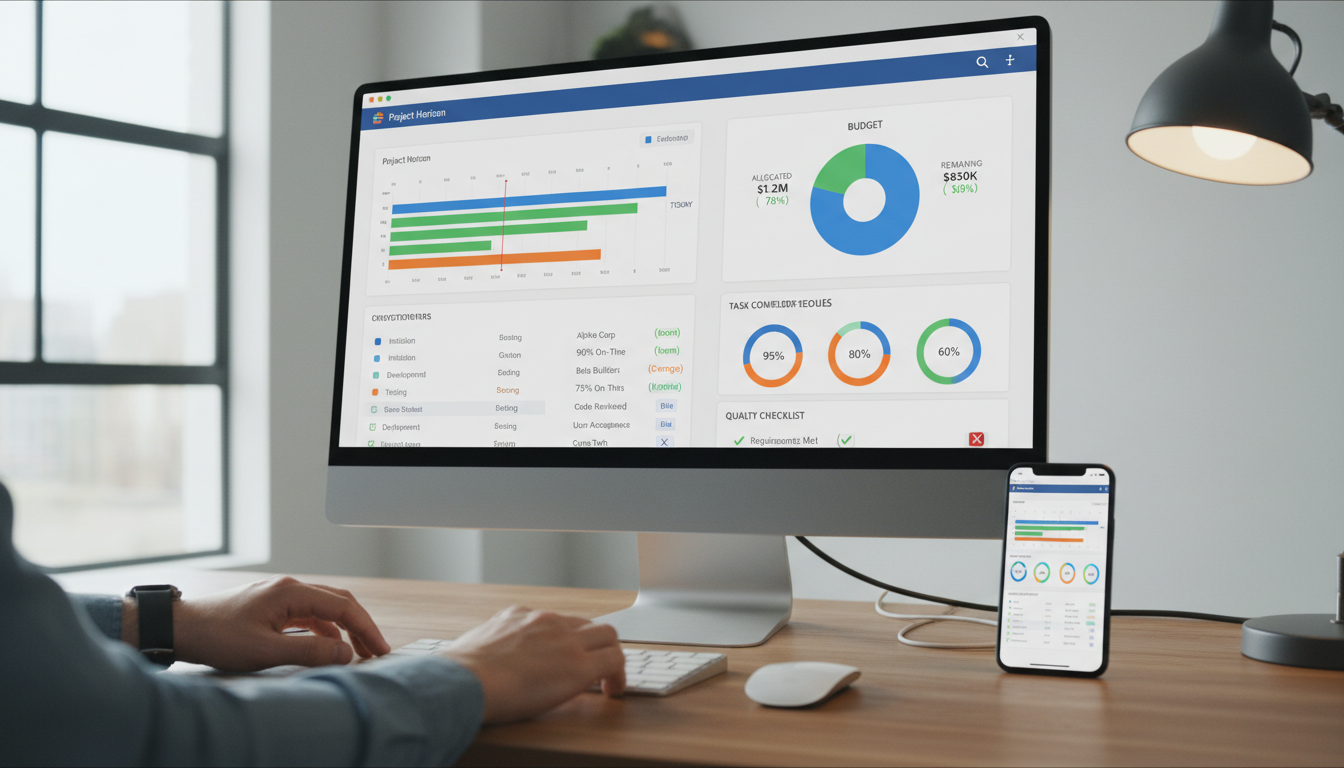
Before choosing a CRM platform, it's important to identify your specific business needs. Consider what features are most important for your operations. Do you need robust project management tools, or is lead tracking your priority? Understanding your requirements will help narrow down the options.
Also, assess your team's technical proficiency. A complex system might offer many features, but it could be overwhelming if your team isn't tech-savvy. Look for a CRM that balances functionality with ease of use.
Key Features to Consider
When evaluating CRM platforms, focus on several key features:
- Project Management: Ensure the CRM offers tools for managing project timelines, resources, and communications.
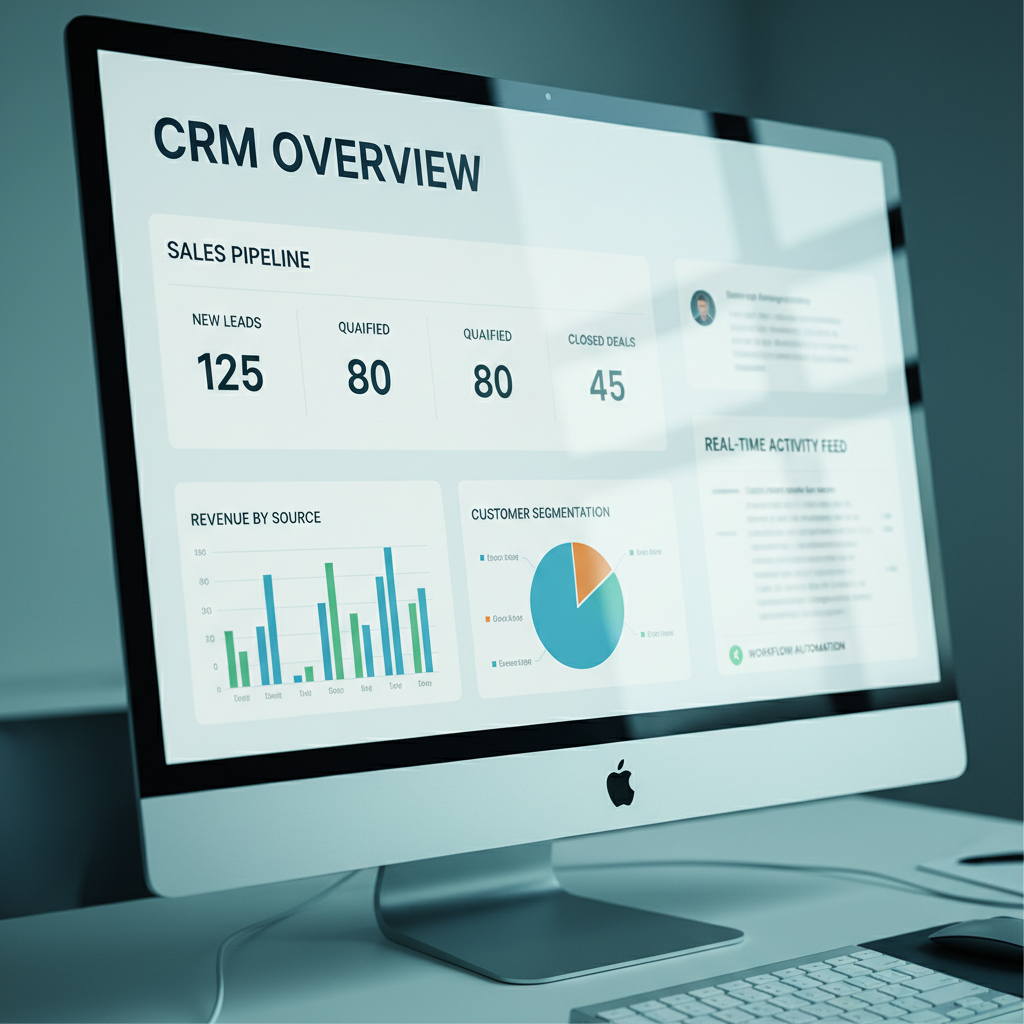
- Lead and Client Tracking: The ability to track interactions and progress with clients is crucial.
- Integration: Check if the CRM can integrate with other tools you use, like accounting software or email marketing platforms.
Budget Considerations
Budget is always a consideration in choosing a CRM. Prices can vary widely depending on the features and number of users. Evaluate whether a monthly subscription model or a one-time purchase fits your financial plan better.
Many CRM platforms offer tiered pricing, allowing you to start with a basic package and upgrade as your business grows. This flexibility can be beneficial for contractors with fluctuating project loads.
Exploring CRM Options
There are numerous CRM platforms available, each with its strengths and weaknesses. Popular options include Salesforce, HubSpot, and Zoho CRM. Each offers different features and pricing models, making it important to research and test them through free trials or demos.
Ensuring Scalability
Your business will hopefully grow over time, so choose a CRM that can scale with you. The platform should accommodate more users, additional features, and increased data storage as your operations expand.
Scalability is not just about size; it's also about flexibility. A good CRM will allow you to customize its features to fit your evolving needs.
Training and Support
An often-overlooked aspect of choosing a CRM is the support and training provided by the vendor. Ensure that the CRM provider offers comprehensive training resources and responsive customer support. This will help your team get up to speed quickly and resolve any issues that arise.
Investing in a CRM platform is a significant decision. By considering these factors, you can select a solution that enhances your business operations and strengthens your client relationships.