
Debunking Common Myths About CRM Data Migration
Understanding CRM Data Migration
CRM data migration is often viewed as a complex and daunting process, shrouded in misconceptions. However, these myths can be debunked with a clear understanding of the process. Migrating data to a new CRM system offers numerous benefits, including enhanced data accuracy and improved customer insights.

Myth 1: Data Migration is Too Expensive
One of the most common myths surrounding CRM data migration is the cost. Many businesses assume that the process is prohibitively expensive. In reality, the cost of migration can vary greatly depending on the complexity and volume of data. Investing in a proper migration can lead to long-term savings by improving efficiency and customer satisfaction.
Moreover, many CRM providers offer migration tools and services that can significantly reduce the overall cost. The key is to plan effectively and choose the right partner for your migration needs.
Myth 2: It's a Lengthy Process
Another misconception is that data migration takes an inordinate amount of time. While it's true that careful planning is essential, modern tools and techniques have streamlined the process significantly. A well-planned migration can be executed smoothly and efficiently, minimizing downtime and disruption.
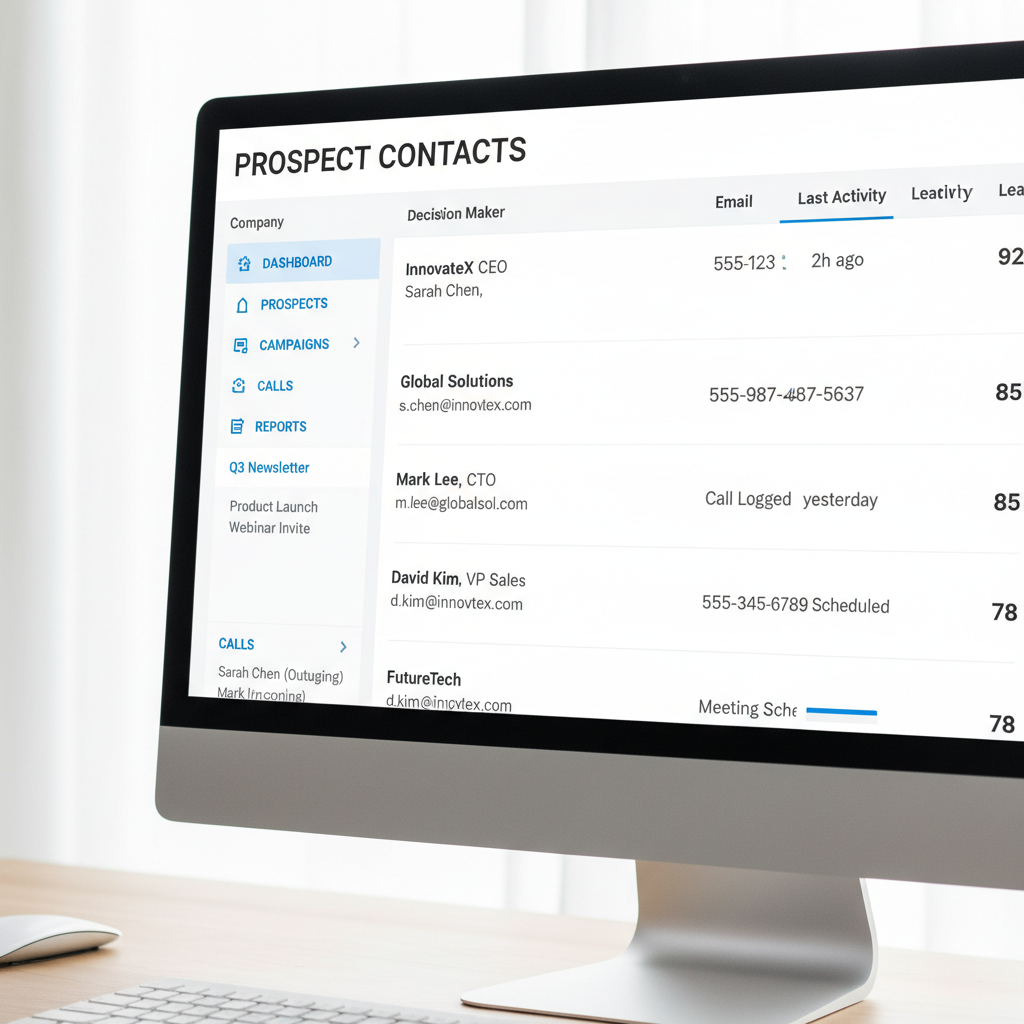
By breaking down the migration into manageable phases and setting clear timelines, businesses can ensure a timely transition. Working with experienced professionals can also help expedite the process.
Myth 3: Data Loss is Inevitable
Fears of data loss during migration are not unfounded, but they are largely preventable. With thorough planning, robust backup strategies, and proper validation measures, data can be safely transferred to the new CRM system without loss.
Implementing a comprehensive data audit before migration can help identify potential issues, ensuring that all crucial information is preserved and accurately transferred.

Myth 4: Migration Will Disrupt Business Operations
Many businesses worry that CRM data migration will disrupt their daily operations. While some level of adjustment is required, disruptions can be minimized with strategic planning. By scheduling migrations during off-peak hours or in phases, businesses can maintain continuity.
Furthermore, involving key stakeholders in the planning process can help identify potential challenges and develop strategies to address them effectively.
Conclusion: Embrace the Benefits
Debunking these myths reveals that CRM data migration, while complex, is manageable and offers significant advantages. By dispelling misconceptions and approaching the process with a strategic mindset, businesses can successfully transition to a new CRM system.
Ultimately, investing in CRM data migration paves the way for enhanced data management, improved customer relationships, and greater business success.